Japan is one of the most rigorous origins for dehydrated spice ingredients in the world Enot because Japanese climate is uniquely suited to garlic or onion, but because Japanese food safety infrastructure, processing standards, and traceability systems are. For food manufacturers prioritizing documentation, consistency, and FSSC 22000 certification, Japanese-origin dehydrated spice ingredients carry meaningful supply chain advantages.
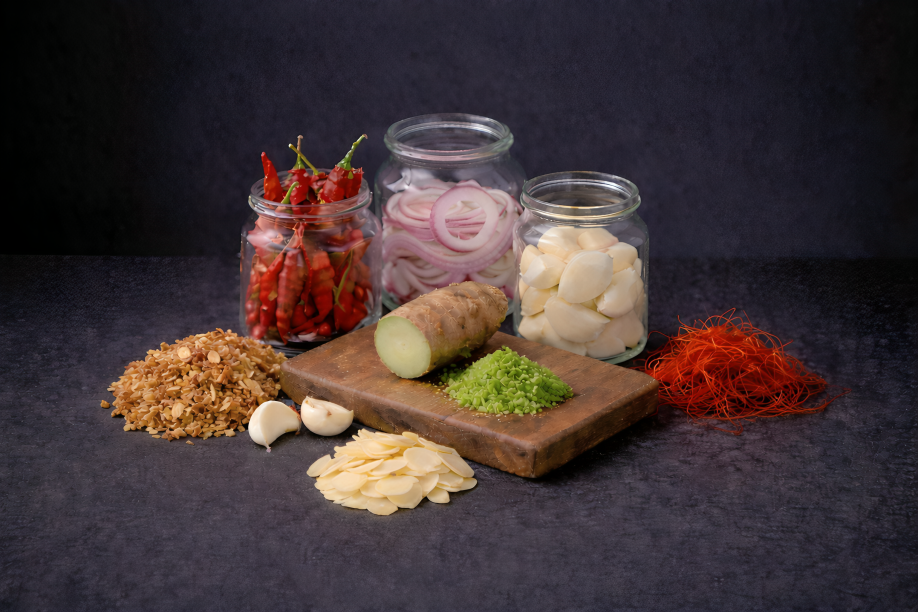
Why origin matters for dehydrated spice ingredients
Dehydrated spice ingredients are classified as processed agricultural commodities, and their quality is determined at three points: raw material quality, processing conditions, and microbiological treatment. Japanese processing facilities that hold FSSC 22000 or BRCGS Grade A certification apply rigorous controls at each stage Efrom raw material intake testing through finished product release.
For a food manufacturer, the practical implications are fewer compliance issues at import, lower risk of microbiological failures at goods-in inspection, and documentation that satisfies FDA FSVP requirements with minimal additional supplier qualification effort.
Dehydrated garlic: formats and applications
Dehydrated garlic is one of the most widely used spice ingredients in food manufacturing Eappearing in seasoning blends, instant noodles, soups, sauces, snacks, and processed meat products. Selecting the right format for your application significantly affects processing behavior and final product character.
| Format | Particle size | Primary applications |
|---|---|---|
| Garlic powder | Fine powder (<0.5mm) | Dry seasoning blends, rubs, instant soup bases, sauces |
| Granulated garlic | 0.5–1.4mm | Seasoning mixes, pizza toppings, bread products |
| Minced garlic | 1.4–3.0mm | Pasta sauces, stir-fry seasonings, ready meals |
| Garlic flakes | 3.0mm+ | Visible inclusion in spice blends, bread, snacks |
| Fried / roasted garlic | Various | Topping applications, Asian cuisine products, premium seasoning |
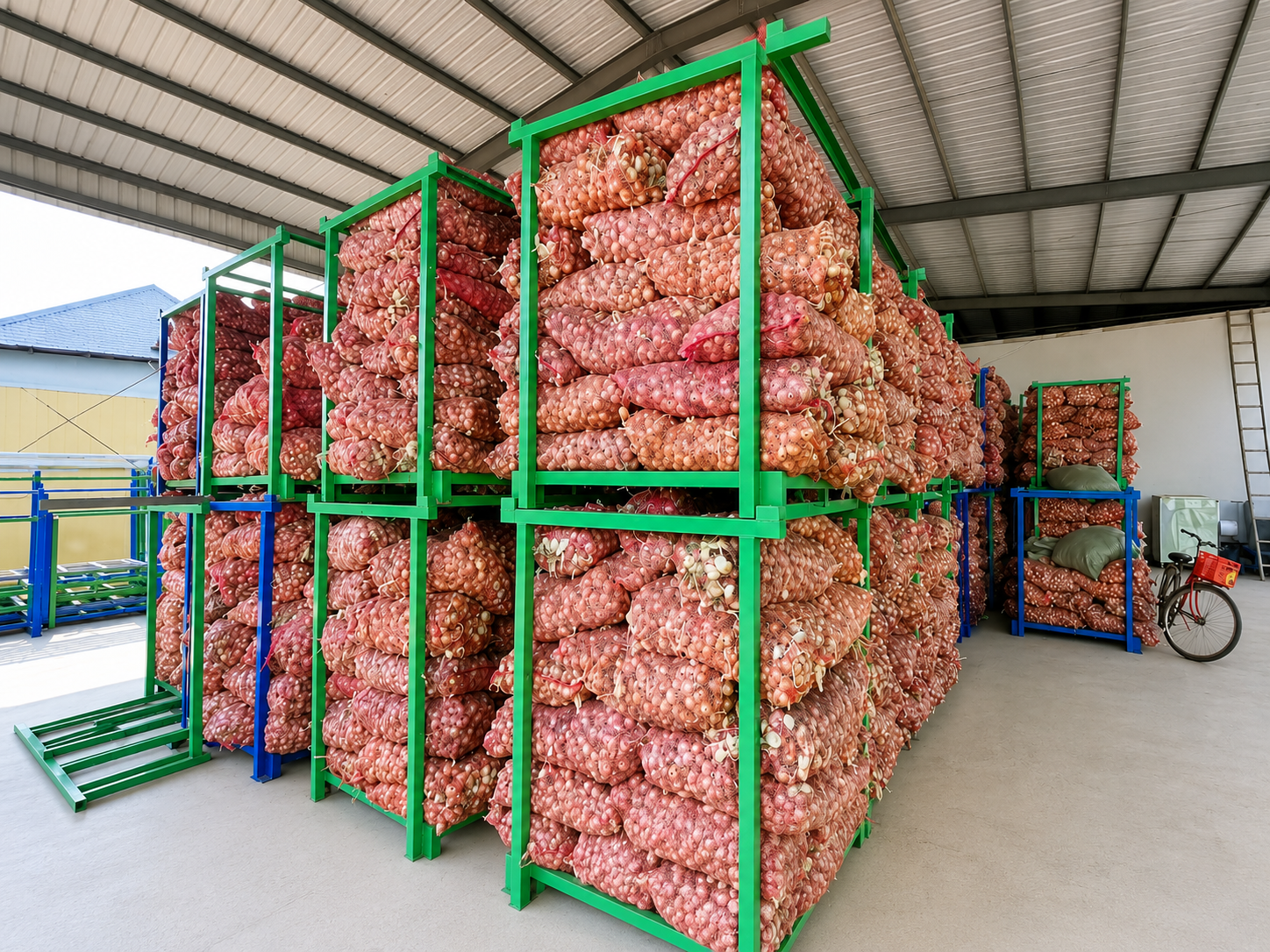
Dehydrated onion: formats and applications
Dehydrated onion follows a similar format range to garlic, with the addition of fried onion products for topping applications. Key quality factors for dehydrated onion include color consistency (white onion should deliver clean white-to-ivory color without browning), moisture content, and microbiological counts.
Yuminaga supplies dehydrated onion in minced and granulated formats, processed at facilities holding FSSC 22000 certification. Steam sterilization is applied as standard to reduce microbiological load before packaging.
Common applications for wholesale dehydrated onion in food manufacturing include seasoning blends, hamburger patties and processed meat, instant noodle flavoring, soup bases, snack seasonings, and prepared meal components.
Chili ingredients: heat consistency and format selection
For chili ingredients, the most important quality parameter after microbiological compliance is heat unit consistency. Scoville Heat Units (SHU) vary naturally between harvests and origins. A food manufacturer formulating to a specific heat target needs a supplier who tests incoming raw material for capsaicin content and blends to a target specification Enot one who passes through whatever the harvest delivered.
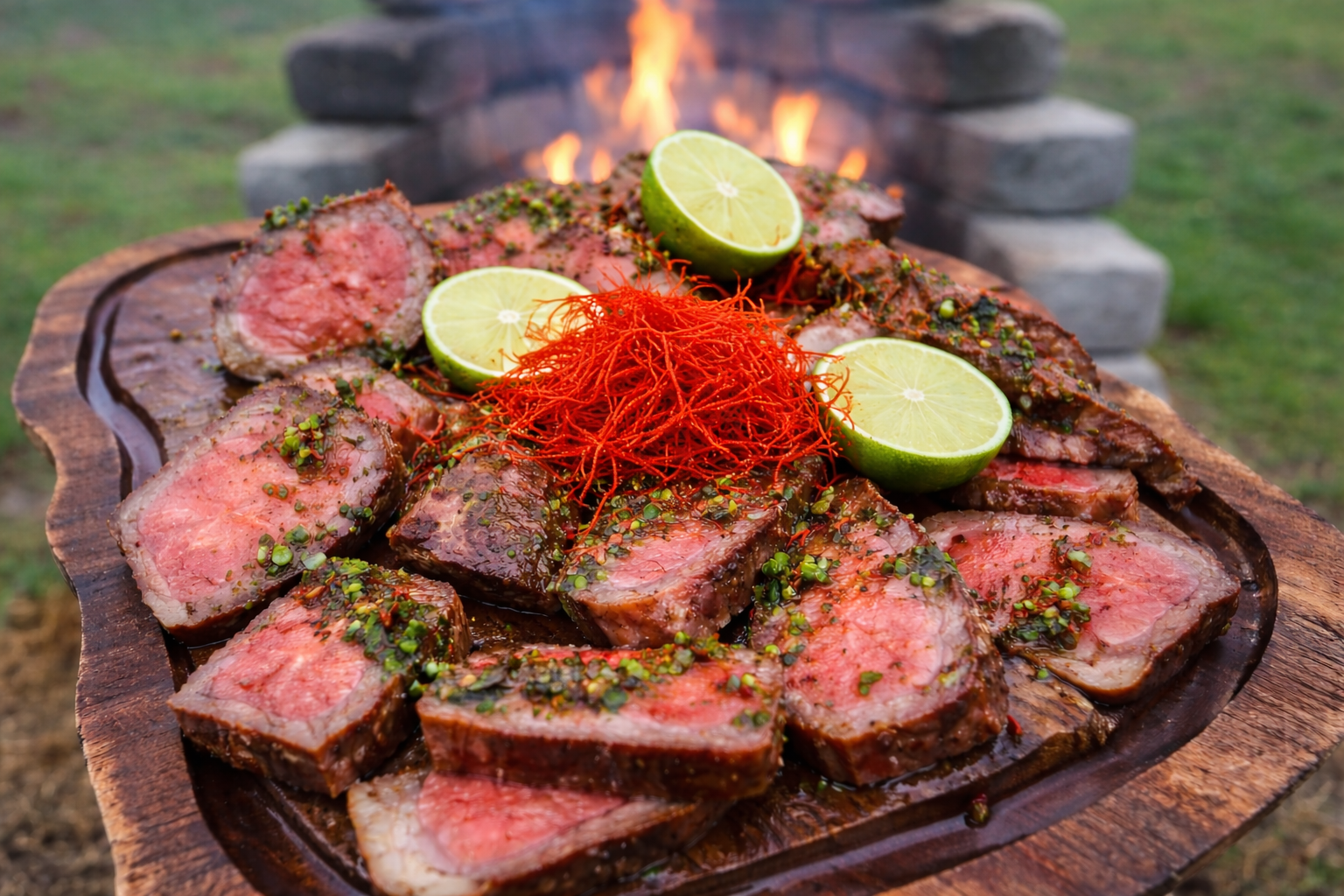
Yuminaga supplies chili ingredients in whole, strip, and salted formats for different manufacturing applications:
- Whole dried chili Efor infused oils, pickling, visible inclusion in food products
- Chili strips (wagiri) Ecross-cut dried chili for seasoning blends and Asian cuisine applications
- Salted chili Efor applications requiring a brined chili character
COA for chili products includes moisture content, ash, microbiological testing, heavy metals, pesticide residue, and where specified, capsaicin content for heat unit verification.
Wasabi: powder and granulated formats for food manufacturing
Wasabi is one of the most Japan-specific spice ingredients and also one of the most difficult to source consistently. True wasabi (Wasabia japonica) has significant price and supply constraints Emost commercial “wasabi” products use a blend of horseradish powder, mustard, and natural coloring.
For food manufacturing, the relevant considerations for wasabi ingredient sourcing are:
- Exact ingredient declaration: what is the actual composition (wasabi rhizome, horseradish, mustard)?
- Pungency specification: allyl isothiocyanate content determines heat character
- Color consistency: the green color that consumers associate with wasabi
- Application performance: stability in your process temperature and pH
Yuminaga supplies wasabi powder and granulated formats with full ingredient and allergen declarations. Request a specification sheet for full composition and allergen information for your labeling compliance requirements.
Steam sterilization: what it is and why it matters
Steam sterilization is a microbial reduction process applied to dehydrated spice ingredients before final packaging. High-pressure steam at controlled temperature and exposure time reduces total aerobic plate count, eliminates Salmonella and other pathogens, and reduces yeast and mold counts Ewithout irradiation or chemical preservatives.
For food manufacturers, purchasing steam-sterilized spice ingredients has three practical benefits:
- Lower risk of microbiological out-of-spec at goods-in testing
- Simplified HACCP kill-step documentation (particularly important for products that won’t undergo a validated kill step in your own process)
- Better shelf life and storage performance due to reduced initial microbial load
All Yuminaga dehydrated spice ingredients are steam sterilized as a standard production step. The post-sterilization microbiological results are included in the COA issued with each shipment.
Sourcing matcha and spices from a single supplier
Food manufacturers who source both matcha and spice ingredients often find significant procurement advantages in consolidating to a single Japanese supplier. Documentation is unified Eone food safety certification to qualify, one supplier audit, one FSVP file. Logistics can be consolidated. And ingredient quality standards apply consistently across the full ingredient range.
Yuminaga Spice & Tea supplies both wholesale matcha (ceremonial, premium, and culinary grades) and the full dehydrated spice range Egarlic, onion, chili, and wasabi Efrom facilities holding BRCGS Grade A and FSSC 22000 certification. If you are currently sourcing these ingredients from separate suppliers, consolidation to Yuminaga is worth evaluating. Contact us to discuss your full ingredient requirement.